Where Should You Base a Swiss Alps Holiday?
Switzerland is a small country, yet the Alps cover most of it, and each corner has its own lakes, its own language and its own railway. Pick the base first. Everything else follows from it.
Bernese Oberland: Interlaken, Grindelwald and Lauterbrunnen
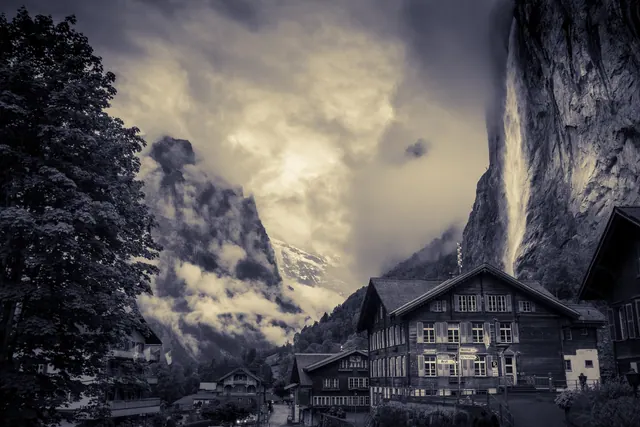
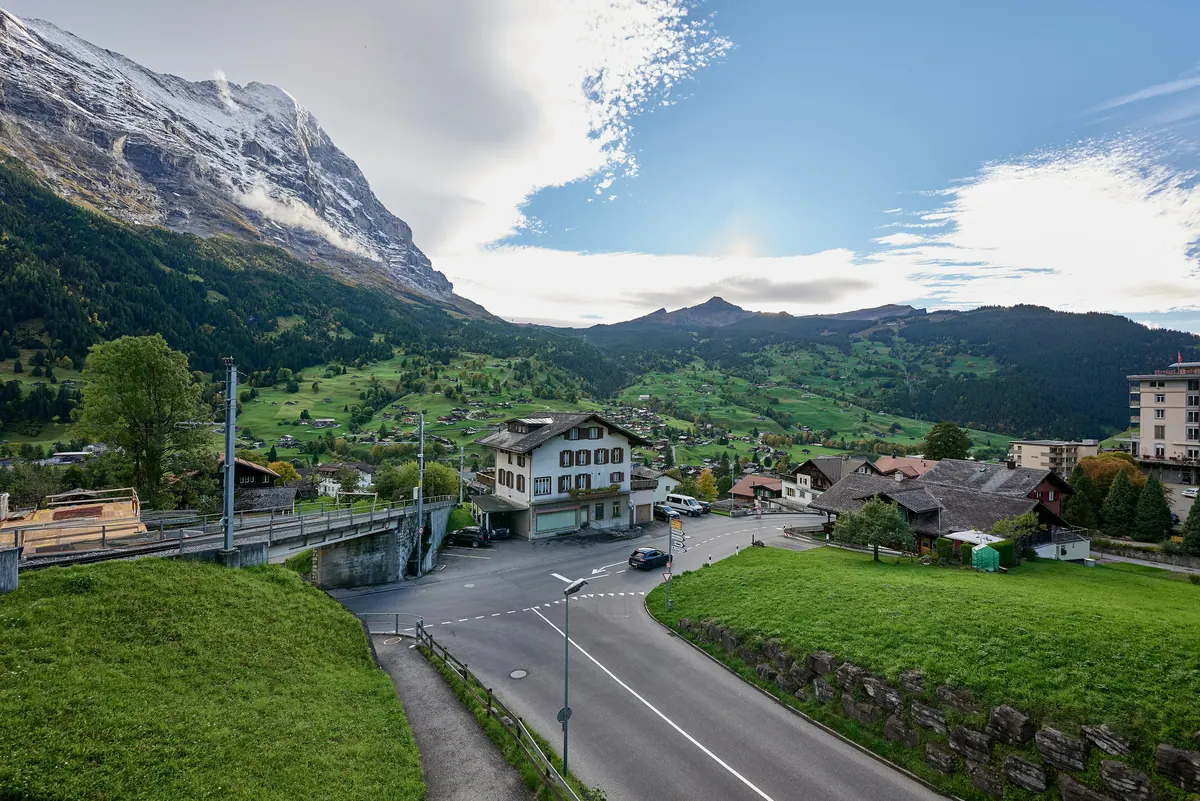
Interlaken sits on a strip of flat meadow between Lake Thun and Lake Brienz, with the Eiger, Mönch and Jungfrau lined up behind the town. It's the easiest base in the Swiss Alps for a first visit, with trains up the valleys to Grindelwald, Lauterbrunnen, Wengen and Mürren and boats on both lakes. In the Lauterbrunnen valley, the Trümmelbach Falls thunder through the inside of the mountain. See Interlaken holidays for more.
Zermatt and the Matterhorn
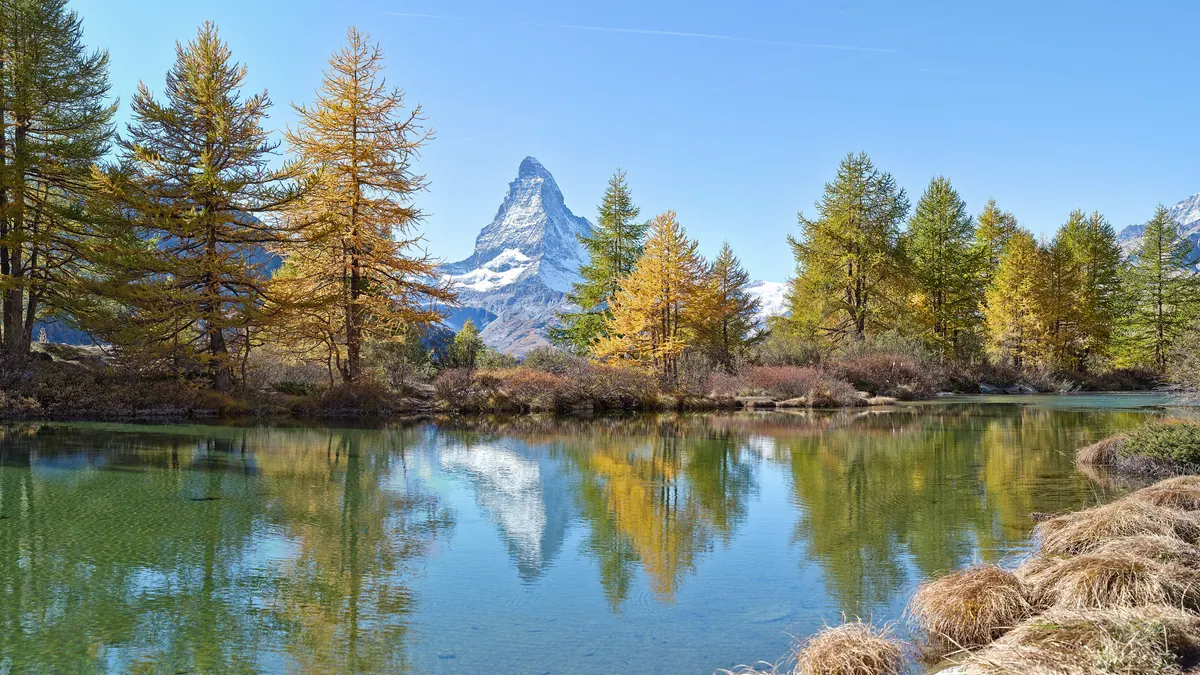
Zermatt is car-free. Drivers leave their cars down the valley at Täsch and take the shuttle train, as Zermatt Tourism explains, so the village streets belong to walkers and little electric taxis. Turn any corner and the Matterhorn fills the end of the street, and the Zermatt holidays page covers how to plan a stay.
Lake Lucerne and Central Switzerland
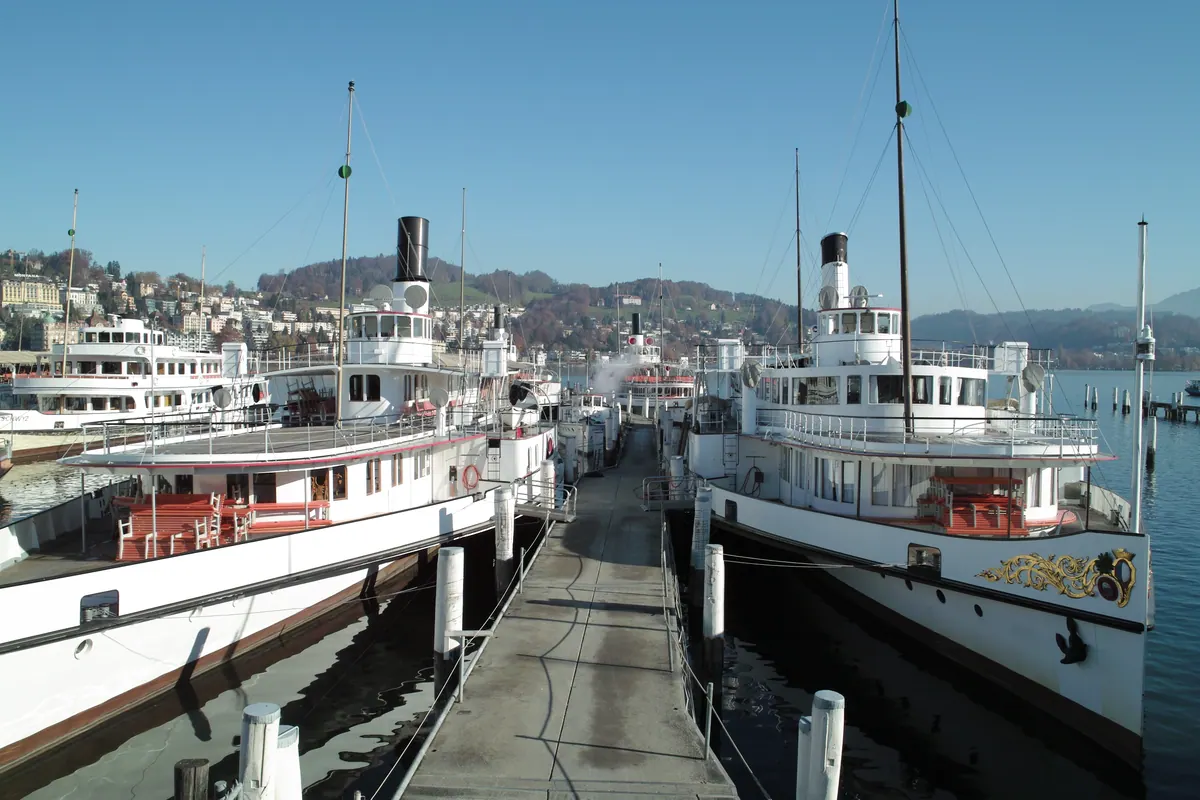
Lucerne puts water and summit in one view, with paddle steamers leaving the quay across from the station for Vitznau and Alpnachstad, where cogwheel railways climb Mount Rigi and Pilatus. Our Lucerne holidays guide lists the day trips.
Lake Geneva, Montreux and the Vaud Alps
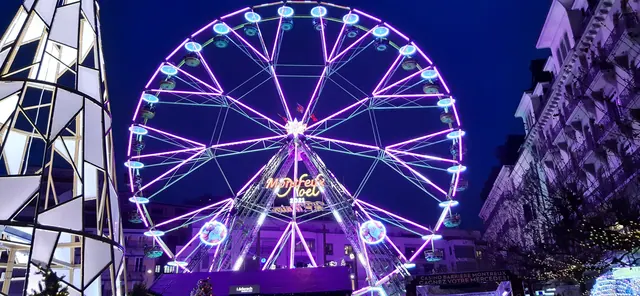
The menus switch to French at the western end of the country. Palms line the promenade in Montreux and the medieval Château de Chillon stands on a rock in the water just along the shore. Behind the town, the GoldenPass line climbs into the Pays-d'Enhaut, where Château-d'Oex and Gruyères sit among green dairy pastures and chalet villages. See Montreux holidays for the lakeside town.
Graubünden: St Moritz, Davos and the Engadine
The south-east is high, sunny and wide open. A chain of lakes runs along the Engadine valley with St Moritz on its shore, and Davos lies over the hills to the north. Both towns are on the narrow-gauge Rhaetian Railway, and our St Moritz holidays page covers the valley.
Ticino and the Italian Lakes
Cross the Alps southwards and the air warms, the language turns Italian and the lakeshores fill with palms and camellias. Lugano and Locarno are the Swiss towns, covered on our Lugano holidays page, while Lake Maggiore and Lake Como run on into Italy.
Move between bases if you want the big scenic trains. A single base suits a slower week of lake and mountain day trips.
| Region | Lakes | Mountain trips | Scenic train | Holidays on this page that go there |
|---|
| Bernese Oberland | Lake Thun, Lake Brienz | Jungfraujoch, Schilthorn, Kleine Scheidegg | GoldenPass Express | The Best of Switzerland, Winter in Switzerland, Swiss Alpine Glories (day trip) |
| Zermatt and Valais | Small mountain lakes above the village | Gornergrat, Matterhorn Glacier Paradise | Glacier Express | Lake Maggiore, Zermatt and the Centovalli Railway (day trip) |
| Lucerne | Lake Lucerne | Pilatus, Rigi, Titlis | Gotthard Panorama Express | None stays here, so plan it yourself |
| Lake Geneva and the Vaud Alps | Lake Geneva | Glacier 3000 | GoldenPass | The Best of Switzerland, Swiss Alpine Glories, Swiss Christmas Markets |
| Graubünden | Engadine lakes, Lago Bianco | Bernina Pass | Bernina Express, Glacier Express | The Best of Switzerland, Lake Como, St Moritz and the Bernina Express |
| Ticino and the Italian lakes | Lake Maggiore, Lake Lugano, Lake Como | Monte Brè, Monte San Salvatore | Centovalli Railway | Both Newmarket Italian lakes holidays |
Lakes and Mountains: Why the Swiss Alps Do Both
Most mountain holidays make you pick between a day on the water and a day up high. Here the meltwater fills long lakes at the foot of the peaks, and the railways run along their shores, so one day can hold both. Spend the morning on deck and the afternoon above the clouds.
The boats are part of the transport network, timed to meet the trains and covered by the Swiss Travel Pass. On The Best of Switzerland you cruise Lake Thun to Spiez Castle, while Newmarket's Italian lakes holidays include boat trips to the gardens of Villa del Balbianello on Lake Como and to the Borromean Islands on Lake Maggiore.
Higher up, a gondola from Kandersteg lifts you to the Oeschinensee, a turquoise lake ringed by cliffs and waterfalls, and the Lake Brienz guide covers the quieter shore east of Interlaken.
The Scenic Trains That Cross the Alps
Panoramic trains are the reason many people plan holidays in Switzerland by rail. Big windows curve up into the roof, and you watch the scenery change from vineyards to snowfields in an afternoon.
Glacier Express
The slowest express train in the world runs from Zermatt to St Moritz, over the Oberalp Pass and across the stone arches of the Landwasser Viaduct. A seat reservation is compulsory for everyone, pass holders included, so summer seats go early, and the official Glacier Express timetable shows when it runs. The Best of Switzerland rides it to Brig with lunch served at your seat. See our Glacier Express guide or the Glacier Express holidays that include it.
Bernina Express
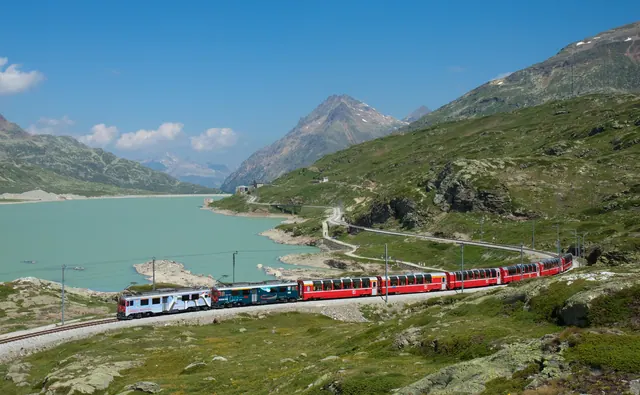
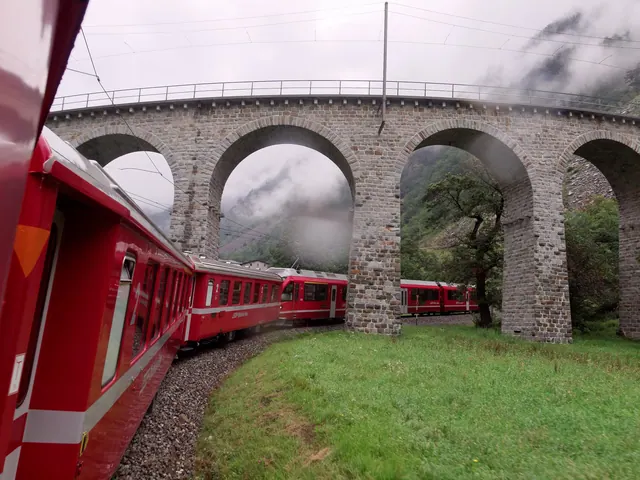
From Chur or St Moritz, the red trains climb past the icy blue Lago Bianco, cross the Bernina Pass and loop through the Brusio spiral viaduct down to Tirano in Italy. The Albula and Bernina lines are a UNESCO World Heritage Site. Our Bernina Express guide covers the route.
GoldenPass Express and the Centovalli Railway
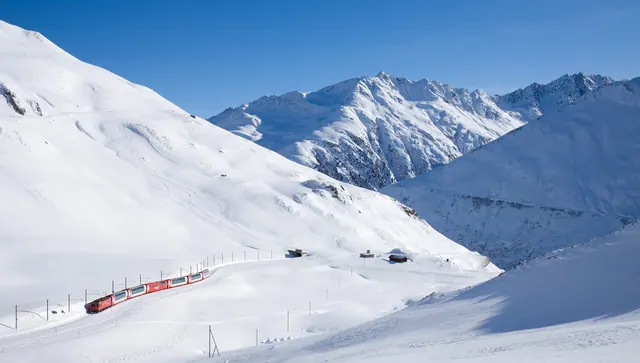
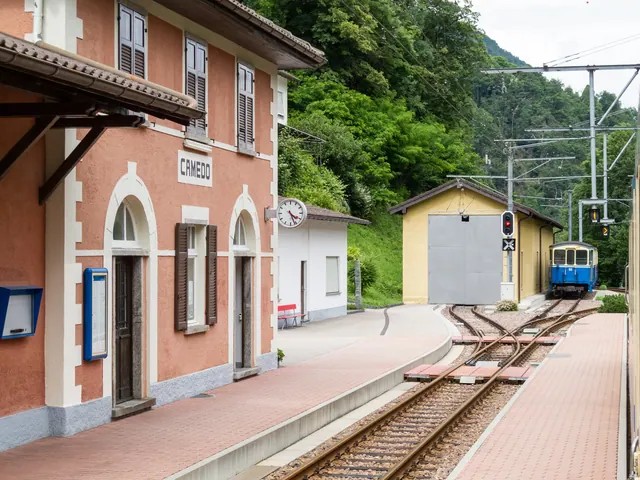
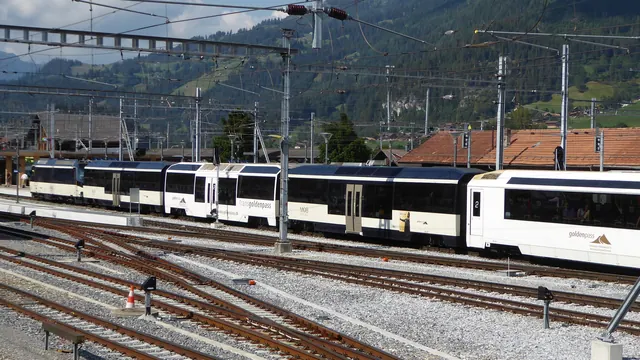
The GoldenPass Express links Montreux with Interlaken through the Pays-d'Enhaut, and its trains change track gauge at Zweisimmen while you stay in your seat. Further south, the Centovalli Railway winds from Domodossola to Locarno over gorges and through chestnut woods in the valley of a hundred valleys.
Mountain Railways and Cable Cars Worth the Ride
In the Swiss Alps you can go remarkably high without climbing a step, and these are the trips the holidays on this page include or offer:
- Jungfraujoch: the highest railway station in Europe (Jungfrau Railways), reached by a train that tunnels up inside the Eiger to a view over the Aletsch Glacier. It's an optional extra on The Best of Switzerland.
- Schilthorn: cable cars from the cliff-top village of Mürren to the revolving Piz Gloria restaurant, where On Her Majesty's Secret Service was filmed. Included on The Best of Switzerland and optional, with lunch, in winter.
- Kleine Scheidegg: the cogwheel train from Grindelwald stops right below the Eiger north face, and Winter in Switzerland includes it with lunch.
- Gornergrat: the open-air cogwheel railway from Zermatt with the Matterhorn in view nearly all the way.
- Pilatus and Rigi: Lucerne's cogwheel mountains, each started by boat.
- Glacier 3000: snow underfoot even in July, and an optional trip on The Best of Switzerland.
Check the summit webcam on the morning you go. Cloud can sit on the top while the valley is sunny. It's better to swap days than pay for a view of fog.
Escorted Tour or Plan It Yourself?
Swiss trains run like clockwork, so planning your own trip is perfectly doable. The hard parts are the ones you don't see from home: the compulsory seat reservations on the Glacier Express and Bernina Express, hauling cases on and off narrow-gauge trains between hotels, making a tight connection at Spiez or Zweisimmen, and buying separate tickets for each mountain railway.
A flight and hotel package holiday gets you to the mountains, but an escorted Switzerland holiday also gets you round them. Travelsphere's Holiday Director, or Newmarket's tour manager, books the scenic train seats, gets the luggage to the hotel and keeps the group on the right platform. On The Best of Switzerland you fly into Zurich and home from Geneva, so there's no doubling back.
If you're going it alone, book these before you travel:
Which of These Holidays Suits You?
Every holiday here is escorted, with flights from the UK and hotels included. They differ in how much moving around you'll do.
The Big Scenic Trains in One Week
The Best of Switzerland from Travelsphere moves between Davos, Interlaken and Lausanne and rides the Bernina, the Glacier Express and the GoldenPass along the way. It's easy-going, stays in four-star hotels and suits a first visit. Check The Best of Switzerland dates.
Snow Without Skis
Winter in Switzerland stays put in Interlaken in February and March. Expect frozen waterfalls in the Lauterbrunnen valley, the cogwheel train to Kleine Scheidegg, the GoldenPass Express to Montreux and a guided tour of Chillon with wine tasting, and you unpack only once. See the Winter in Switzerland dates.
Italian Lakes First, Alps as a Day Out
Newmarket's Lake Como, St Moritz and the Bernina Express and Lake Maggiore, Zermatt and the Centovalli Railway keep you in one lakeside hotel all week. You cross into Switzerland for a day over the Bernina Pass or over the Simplon Pass to Zermatt.
A Quiet Alpine Village
Swiss Alpine Glories and the GoldenPass Train is based at Château-d'Oex in the Pays-d'Enhaut, riding the GoldenPass to Montreux and to Interlaken, with visits to Grindelwald and Gruyères.
A Short Festive Break
The Swiss Christmas Markets trip also stays in Château-d'Oex, with an evening at Montreux Christmas Market by Lake Geneva.
Summer or Winter in the Swiss Alps?
The month you pick shapes your week in the Alps more than the region does. From late spring to early autumn, cowbells ring across the pastures and the high trails open, which is why most of these tours depart between April and October. Our best time to visit Switzerland guide goes month by month.
- Summer: wildflower meadows, long light evenings, boat trips on every lake and all the summit railways open. Busiest for scenic train seats.
- Winter: snow on the chalet roofs, frozen waterfalls and cogwheel trains to the ski slopes. Read Switzerland in winter first.
- Spring and late autumn: quieter and cheaper to get around, but some lifts close for maintenance and the Glacier Express takes a break (the box at the top has the dates).
Mountain weather changes fast at any time of year, so pack a warm layer for the top stations, even in August.
Ski Slopes or Snow Without Skis?
Zermatt, St Moritz, Davos, Grindelwald and Wengen are famous ski resorts, and every one is on the railway, so skiers can arrive by train with their boots in a bag. None of the holidays here is a ski trip, though, and Winter in Switzerland suits anyone who wants the snow and the cogwheel trains without a day on the slopes.
Walking Holidays and Easy Trails
You don't need to be a walker. Trains, boats and cable cars carry you to the viewpoints, and from most top stations a level path leads along to a better view or a mountain restaurant. Travelsphere rates its tours easy-going, and Newmarket rates its Italian lakes and GoldenPass holidays moderate, so expect some uneven ground and cobbled steps in the old towns.
If you'd rather spend the whole week on foot, a walking holiday with daily guided hikes suits you better. On a rail tour the pace is gentler: an easy trail around Mürren or Grindelwald, then a train back down.
At high altitude the air is thin, so walk slowly, drink water and don't rush the stairs.
Fondue, Chocolate and Mountain Food
Swiss Alpine food is made for cold air and hungry walkers, so look out for these:
- Cheese fondue, bubbling in a pot at the table
- Raclette, melted and scraped onto boiled potatoes
- Rösti, grated potato crisped in butter
- Gruyère cheese, from the hilltop town of Gruyères
- Swiss chocolate, made at Maison Cailler in nearby Broc
Winter in Switzerland includes a chocolate-making session at Maison Cailler before fondue in Gruyères. Swiss chocolate tastes even better after a day in the snow!
Getting to the Swiss Alps From the UK
Every holiday on this page includes return flights, to Zurich or Geneva for the Swiss tours and to Milan for the Italian lakes. If you're travelling independently, trains leave from beneath the terminals at Zurich and Geneva airports (the SBB timetable has every connection), and our Zurich to Interlaken train and Geneva to Zermatt train guides walk through the journeys.
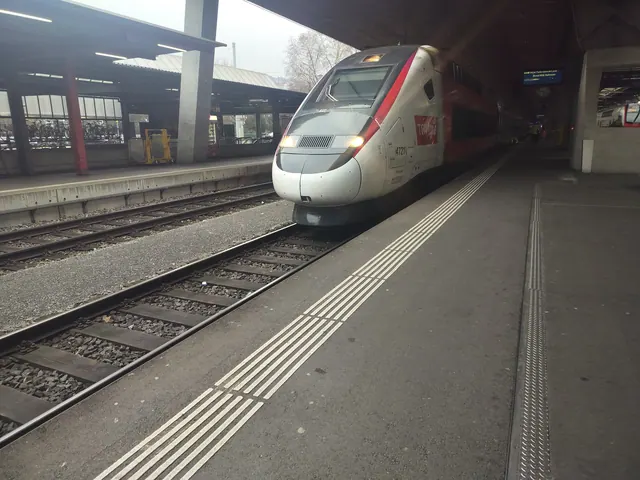
Rather not fly? The train to Switzerland from London runs by Eurostar to Paris and TGV Lyria on to Basel, Geneva or Lausanne. However you arrive, Switzerland's railways do the rest, and there's plenty more on Switzerland by train to help you plan the Alps your way.
Questions people ask
Where is the best place to stay in the Swiss Alps?
For a first visit, Interlaken in the Bernese Oberland is the easiest base, with trains to Grindelwald, Lauterbrunnen and the Jungfraujoch and boats on Lake Thun and Lake Brienz. Zermatt is best for the Matterhorn, Lucerne for lake and mountain together, and St Moritz for the Bernina Express.When is the best time to visit the Swiss Alps?
Summer, roughly June to September, is best for wildflower meadows, walks and full boat and mountain railway timetables. Winter brings snow and frozen waterfalls, while April and late October are quieter but some lifts close for maintenance.Do you need a car in the Swiss Alps?
No, because trains, buses, boats and cable cars reach almost every resort, Zermatt, Wengen and Mürren are car-free anyway, and on an escorted tour all the travel is arranged for you.Do I need to reserve seats on the Glacier Express and Bernina Express?
Yes. A seat reservation is compulsory on both trains, even with a Swiss Travel Pass, and summer seats sell early. The escorted holidays on this page book them for you.Can you enjoy the Swiss Alps without hiking?
Easily. Cogwheel railways and cable cars take you to the Jungfraujoch, Schilthorn, Gornergrat and Pilatus, and most top stations have short level paths to viewpoints. The tours here are rated easy-going or moderate.Which airport is best for the Swiss Alps?
Zurich suits the Bernese Oberland, Lucerne and Graubünden, and Geneva suits Lake Geneva, Montreux and Zermatt. For Ticino and the Italian lakes, Milan is closer, which is why the Newmarket Italian lakes holidays fly there.Is the Swiss Travel Pass worth it for a mountain holiday?
If you're planning your own trip and moving between bases, it usually is. It covers trains, buses and scheduled lake boats, includes Mount Rigi, and gives discounts on most other mountain railways. On an escorted tour you won't need one.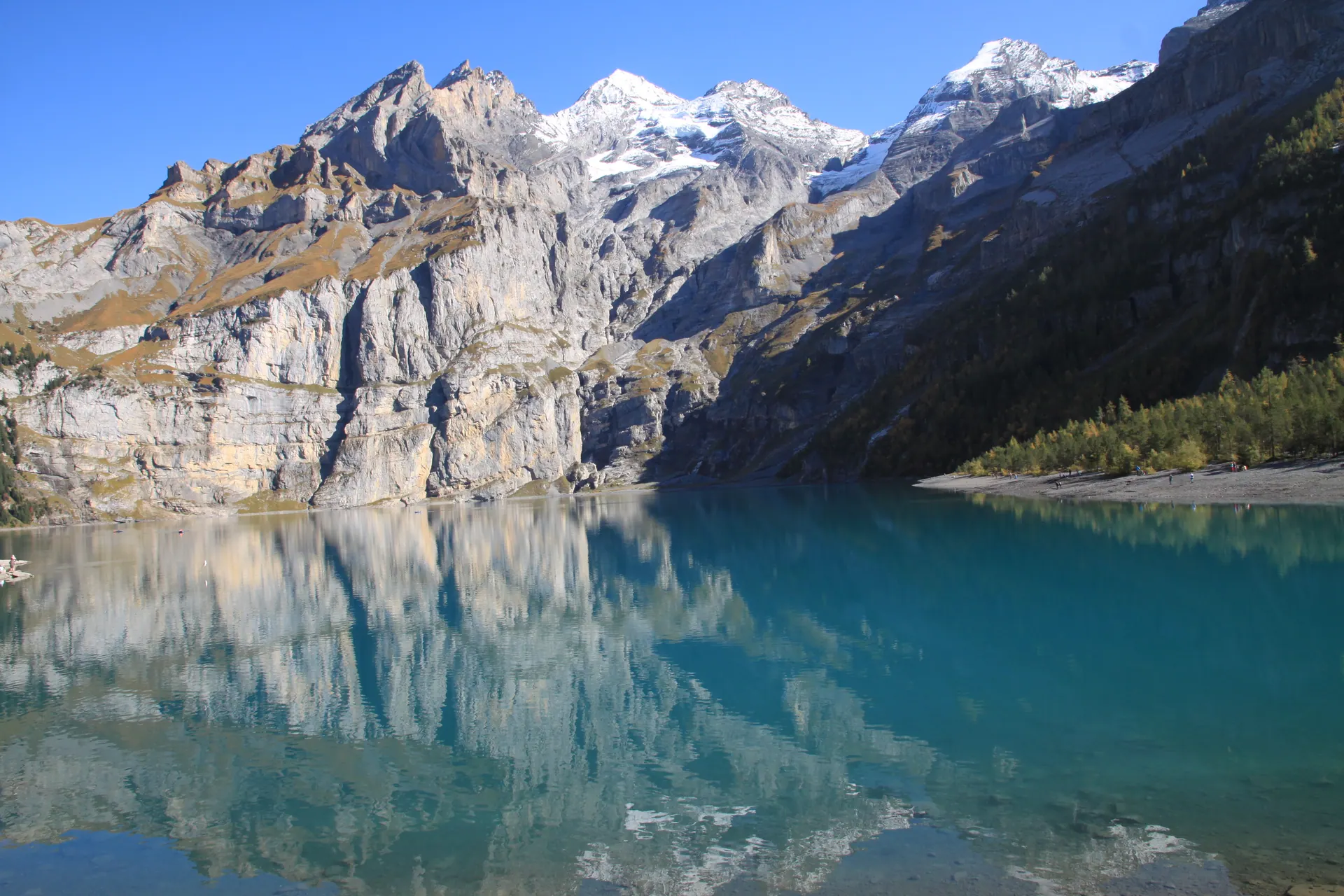
 Travelsphere